
What Is Homeopathy and How Does It Work?
Homeopathy is a form of complementary medicine that has been practised for over 200 years. It is based on the principle that the body has a natural ability to heal itself, and that carefully prepared natural substances can gently stimulate this healing response.
Although homeopathy is widely known, many people still ask: What exactly is it? And how does it work?
This guide explains the basics in clear and simple terms.
The Core Principle of Homeopathy
Homeopathy is based on the idea of “like cures like”. In simple terms, a substance that can cause symptoms in a healthy person may, when highly diluted, help relieve similar symptoms in someone who is unwell.
For example, if a substance can cause watery eyes and sneezing in large amounts, a diluted homeopathic preparation of that substance may be used in cases of hay fever with similar symptoms.
Homeopathic remedies are prepared through a process of serial dilution and succussion (vigorous shaking). Practitioners believe this process enhances the remedy’s therapeutic potential while minimising toxicity.
How Does Homeopathy Work?
Homeopathy works differently from conventional medicine. Rather than targeting a specific diagnosis alone, it looks at the whole person — including physical symptoms, emotional wellbeing, sleep patterns, stress levels, and individual sensitivities.
A homeopath will typically spend significant time understanding:
-
Your main health concerns
-
When symptoms started
-
What makes them better or worse
-
Your general health history
-
Lifestyle factors
Based on this full picture, a personalised remedy is selected.
The aim is not simply to suppress symptoms, but to support balance within the body as a whole.
What Are Homeopathic Remedies Made From?
Homeopathic remedies can be derived from:
-
Plants
-
Minerals
-
Natural elements
-
Occasionally animal sources
They are regulated in the UK and are prepared according to strict manufacturing standards.
Most remedies are taken as small sugar pills or liquid drops.
Is Homeopathy Safe?
In the UK, homeopathic remedies are considered low risk due to their high dilution. Many people choose homeopathy as a complementary approach alongside conventional care.
However, it is important that serious medical conditions are assessed by a GP or appropriate healthcare professional. Homeopathy is generally used as a complementary therapy rather than a replacement for essential medical treatment.
What Conditions Do People Use Homeopathy For?
People in the UK commonly seek homeopathic support for:
-
Allergies and hay fever
-
Digestive issues
-
Skin conditions
-
Hormonal concerns
-
Stress and anxiety
-
Recurrent infections
Each treatment plan is tailored to the individual rather than just the condition itself.
What Happens in a Homeopathic Consultation?
An initial consultation is typically longer than a standard GP appointment. It may last between 60–90 minutes and involves an in-depth discussion about your health and wellbeing.
Follow-up appointments are usually shorter and focus on monitoring progress and adjusting remedies if needed.
If you would like to understand what happens in more detail, you can read our guide to homeopathic consultations and what to expect.
Is Homeopathy Popular in the UK?
Homeopathy has a long history in the UK and continues to be used by many people seeking a complementary approach to health. Interest often comes from those looking for a more personalised, holistic perspective.
While opinions on homeopathy vary within the medical community, many patients value the time, attention, and individualised care it offers.
Final Thoughts
Homeopathy is a complementary therapy built on the idea of stimulating the body’s own healing response through highly diluted natural substances. It takes a holistic, individual approach and focuses on the whole person rather than isolated symptoms.
If you are considering homeopathy, speaking with a qualified practitioner can help you decide whether it may be suitable for you.
Homeopathy is a system of complementary medicine based on two core principles: that "like cures like" — a substance that causes symptoms in a healthy person can, in highly diluted form, help relieve similar symptoms in someone who is unwell — and that the body has a natural capacity to heal itself when given the right stimulus. Treatment is always tailored to the individual, not just the diagnosis.
Homeopathic remedies are derived from natural sources including plants, minerals, and occasionally animal substances. They are prepared through a process of successive dilution and vigorous shaking (known as succussion), which practitioners believe enhances therapeutic properties while eliminating toxicity. In the UK, homeopathic remedies are regulated and manufactured to strict standards.
No — they are quite different. Herbal medicine uses plant extracts in pharmacologically active doses, meaning the plant compounds directly interact with the body's chemistry. Homeopathy uses substances that are diluted far beyond any active molecular presence. The two are distinct disciplines with different principles, training, and practice, though both fall under complementary medicine.
Homeopathy can be considered by people of any age — from newborns to the elderly — and for a wide range of conditions, both acute and chronic. It is particularly popular among those seeking a personalised, whole-person approach to health, or those who have found conventional medicine alone does not fully address their needs. A qualified homeopath will always assess whether it is appropriate for your individual situation.
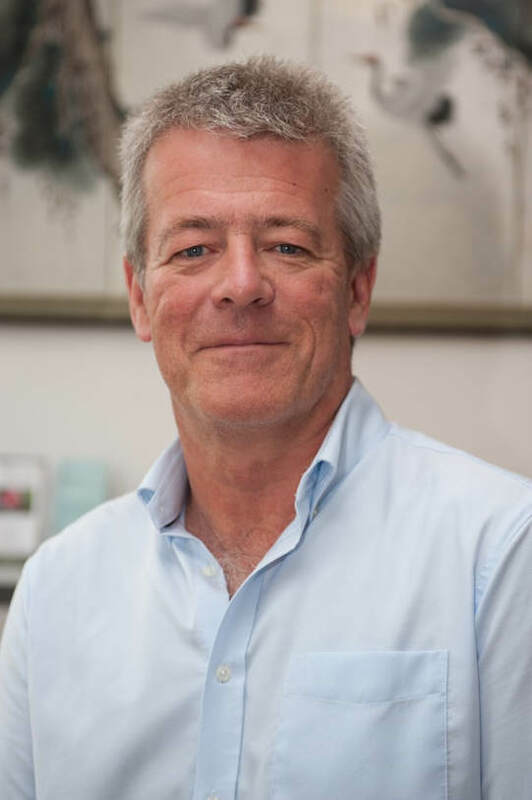
Andrew Ward LCH, Dip. IACH, R.S. Hom is a fully insured and professionally registered classical homeopath. Andrew Ward has over 35 years in classical homeopathy. His care blends tradition with trusted expertise. He helped establish one of the UK’s first NHS homeopathy services. The project showed real results for difficult cases. Andrew studies and teaches worldwide, sharing knowledge with future practitioners. His work inspires new generations of homeopaths.