

| 🔑 KEY TAKEAWAYS • NHS England stopped funding homeopathy in 2017 due to lack of clinical evidence • Individual GPs technically retain prescribing rights, but it is extremely rare in practice • Homeopathy is now primarily accessed privately in the UK • Private consultations are affordable and offer more personalised care • London Homeopathy Clinic offers a free 15-minute introductory call to new patients |
A Question Thousands of UK Patients Are Asking
If you have discovered homeopathy and are wondering whether you can access it through the National Health Service, you are far from alone. It is one of the most searched questions about homeopathy in the United Kingdom — and understandably so. With prescription costs rising and NHS waiting lists growing, many patients are looking for every possible avenue of support for their health.
The honest answer is: largely no, not any more. But the full picture is worth understanding, because knowing why the NHS made this decision — and what your alternatives are — could make a real difference to your health journey.
A Brief History: Homeopathy and the NHS
When the NHS was founded in 1948, homeopathy was actually included. The Royal London Homoeopathic Hospital (now the Royal London Hospital for Integrated Medicine) was one of the original NHS hospitals. For decades, patients could be referred by their GP for homeopathic treatment at specialist NHS centres.
At its peak, there were five dedicated NHS homeopathic hospitals in the UK: in London, Glasgow, Bristol, Liverpool, and Tunbridge Wells. These offered integrated care combining conventional medicine with homeopathic treatment for a wide range of chronic conditions.
When Did the NHS Stop Funding Homeopathy?
The turning point came in 2017. NHS England issued guidance advising Clinical Commissioning Groups (CCGs) to stop funding homeopathy, citing the absence of robust evidence for clinical effectiveness beyond placebo effects. The guidance was formally adopted in 2018.
One by one, NHS homeopathic services were closed or significantly reduced. The Royal London Hospital for Integrated Medicine stopped offering homeopathy as an NHS-funded service. Bristol and other centres followed.
By 2020, NHS homeopathy as a widely accessible service had effectively ended in England, Scotland, and Wales.
| Before 2017 • Referrals via GP to NHS homeopathic hospitals • Homeopathic prescriptions dispensed by pharmacies • Five dedicated NHS homeopathic hospitals • Integrated care available for chronic conditions |
After 2017 • NHS funding formally withdrawn • GPs advised not to prescribe • NHS homeopathic hospitals closed or repurposed • Private practice remains fully legal and active |
Can a GP Still Prescribe Homeopathy?
Technically, individual GPs retain the legal right to prescribe homeopathic remedies. However, NHS England’s guidance means that in practice, this is extremely rare. Most CCGs will not fund it, and NHS pharmacies will typically not dispense homeopathic prescriptions.
Some private GPs — particularly those with an interest in integrative medicine — may discuss homeopathy with patients and suggest remedies, but this falls outside mainstream NHS care.
Is Homeopathy Still Legal in the UK?
Absolutely. Homeopathy is completely legal in the UK. Homeopathic practitioners can operate freely, remedies are legally sold in pharmacies and health stores, and there is no restriction on seeking private homeopathic treatment. The removal of NHS funding was a commissioning decision — not a legal ban. For more on this topic, see our article Is Homeopathy Legal in the UK?.
Why Did the NHS Stop Funding It?
The NHS decision came down to three main factors:
- Evidence: NHS England concluded that the evidence base for homeopathy — while not non-existent — did not meet the threshold required for NHS commissioning. Large systematic reviews and Cochrane analyses did not find consistent evidence of effectiveness beyond placebo.
- Cost pressures: With NHS budgets under increasing strain, treatments without strong evidence of clinical effectiveness were prioritised for defunding.
- Professional bodies: The British Medical Association had long called for the NHS to end homeopathy funding, and their position was influential in the final decision.
It is worth noting that this remains a contentious area. Many patients report significant improvements with homeopathic treatment that they did not experience with conventional medicine, particularly for chronic conditions. The debate around what counts as evidence, and how to measure holistic outcomes, continues.
What Are Your Options for Homeopathic Treatment Today?
The good news is that while NHS homeopathy is largely unavailable, private homeopathic care is thriving in the UK — and in many ways offers a higher standard of personalised care than was available through the NHS.
| Private Homeopathy: What to Expect Private homeopathic consultations are longer, more thorough, and more personalised than NHS appointments. Your practitioner will take a comprehensive history covering your physical health, emotional wellbeing, lifestyle, and personal circumstances. This holistic approach is central to how homeopathy works. |
- Initial consultations typically last 60 to 90 minutes
- Follow-up appointments are usually 30 to 45 minutes
- Costs in London range from £100 to £200 for an initial consultation
- Some health insurance policies cover homeopathy — check with your provider
- Many practitioners, including London Homeopathy Clinic, offer a free introductory call
Accessible Care at London Homeopathy Clinic
We understand that cost can be a barrier. That is why London Homeopathy Clinic offers an Accessible Care Clinic with reduced-cost appointments for those who need support. We also offer a completely free
15-minute introductory call via Zoom or WhatsApp, so you can discuss your situation with our practitioner before committing to a full consultation.
Can Homeopathy Work Alongside My NHS Treatment?
Yes — and this is an important point. Homeopathy is not an alternative to conventional medicine; it works alongside it. Many of our patients continue to see their GP and receive conventional treatment while also benefiting from homeopathic care.
We always encourage patients to maintain their relationship with their GP. Homeopathy can complement conventional medicine particularly well for chronic conditions — you can explore some examples in our case studies.
No. The NHS formally stopped funding homeopathy in 2017 following NHS England guidance. While individual GPs technically retain prescribing rights, it is extremely rare. Homeopathy in the UK is now largely accessed privately.
Since 2017 NHS England has advised GPs not to prescribe homeopathic remedies. Some private GPs may still prescribe them, but NHS pharmacies will not dispense them on NHS prescriptions.
Private homeopathy consultations in the UK typically range from £80 to £150 for an initial consultation and £50 to £100 for follow-up appointments, depending on the practitioner and location.
NHS England cited a lack of robust clinical evidence for homeopathy's effectiveness beyond placebo, combined with cost-saving pressures, as the main reasons for withdrawing funding in 2017.
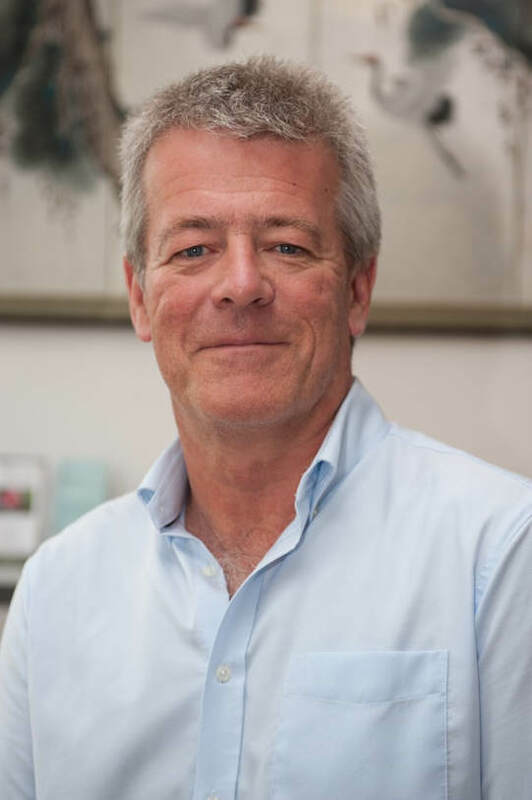
Andrew Ward LCH, Dip. IACH, R.S. Hom is a fully insured and professionally registered classical homeopath. Andrew Ward has over 35 years in classical homeopathy. His care blends tradition with trusted expertise. He helped establish one of the UK’s first NHS homeopathy services. The project showed real results for difficult cases. Andrew studies and teaches worldwide, sharing knowledge with future practitioners. His work inspires new generations of homeopaths.